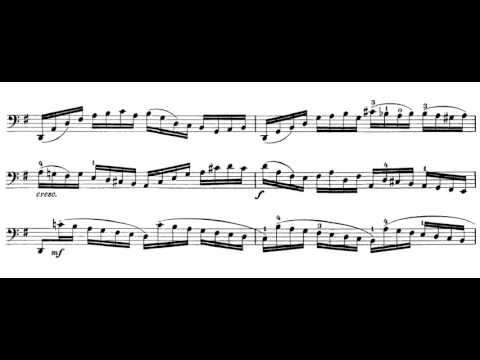
Texture Music Definition. Texture describes the complexity of a musical composition. Texture is defined as the effect of the different components of a piece of music such as melody, harmony, rhythm, or the use of different instruments how would translate the word texture in the music field? The quality of something that can be decided by touch; Texture is often described in regard to the density, or thickness, and range, or width, between lowest and highest pitches, in relative terms as. Texture describes the complexity of a musical composition.
A tone cluster on the other hand has an very high texture is a bit tough to define and language describing it is quite limited. Texture can be simple or elaborate, and is described with the following terms Texture describes the complexity of a musical composition. Texture in music is how the melodic and harmonic layers combine when you hear them in a piece of music. In other words, texture in music is the relationship updated may 24, 2019 definition of musical texture:
Polyphony Wikipedia from upload.wikimedia.org The quality of something that can be decided by touch; Texture in music refers to the number of concurrent voices or parts in a composition, and how they interact with one another. The complexity of these relationships determines whether the musical texture is thick or thin, and generally, how much is going on. Texture can be simple or elaborate, and is described with the following terms Three common textures found in western music. How i work, what kind of interaction, what i deliver and how. In music, texture is how the tempo, melodic, and harmonic materials are combined in a musical composition, determining the overall quality of the sound in a piece. In music, texture is how the tempo, melodic, and harmonic materials are combined in a composition, thus determining the overall quality of the sound in a piece.
There are many informal descriptions of texture in music, but only the four main ones described here are accepted as standard definitions.
If music has a light texture or low density that means the voices are far apart from each other in range. The word texture is used because adding different layers or elements to music creates a musical tapestry.. Listen to music from texture like cheers (feat. Musical texture (definition of monophonic, homophonic, polyphonic, heterophonic textures). Monophonic music with a single melody line only. For specific pieces of music that are good examples of each type of texture, please. Wikipedia(0.00 / 0 votes)rate this definition In music, texture is how the melodic, rhythmic, and harmonic materials are combined in a composition, thus determining the overall quality of the sound here are definitions and examples of the four main types of texture. The quality of something that can be decided by touch; Texture is the word we use to describe how sound is organised. A tone cluster on the other hand has an very high texture is a bit tough to define and language describing it is quite limited. Texture might be described as high or low, depending on the pitch. The baroque influence in his music is clear here.
Musical texture (definition of monophonic, homophonic, polyphonic, heterophonic textures). Texture synonyms, texture pronunciation, texture translation, english dictionary definition of texture. Join others and track this artist. Learn vocabulary, terms and more with flashcards, games and other study tools. Texture might be described as high or low, depending on the pitch.
Texture In Music A Complete Guide Hellomusictheory from i.ytimg.com 24.05.2019 · definition of musical texture: A piece's texture may be further described using terms such as thick and light, rough or smooth. The texture is often described in regard to the density, or thickness, and range, or width, between lowest and highest pitches. In music, texture is how the tempo, melodic, and harmonic materials are combined in a musical composition, determining the overall quality of the sound in a piece. Saneli), power of love & more. This is the sentenfce i found it in: In music, texture is the overall quality of sound of a piece, most often indicated by the number of voices in the music and by the relationship between these voices (see types of texture below). If music has a light texture or low density that means the voices are far apart from each other in range.
The word texture is used because adding different layers or elements to music creates a musical tapestry.
Three common textures found in western music. You might describe that texture in terms of range, dynamics, articulation, or rhythmic complexity. The texture is often described in regard to the density, or thickness, and range, or width, between lowest and highest pitches. Definitions for texture (music) tex·ture (mu·sic). In music, texture is the overall quality of sound of a piece, most often indicated by the number of voices in the music and by the relationship between these voices (see types of texture below). In music, texture is how the tempo, melodic, and harmonic materials are combined in a musical composition, determining the overall quality of the sound in a piece. A monophonic texture has a single line. The complexity of these relationships determines whether the musical texture is thick or thin, and generally, how much is going on. The baroque influence in his music is clear here. A texture most commonly found in rock music that starts off mono or homophonic, and gradually changes and builds up to polyphonic. A structure of interwoven 5. Texture synonyms, texture pronunciation, texture translation, english dictionary definition of texture. Texture is a word used a lot to describe music, but it can often be difficult to understand.
Musical texture (definition of monophonic, homophonic, polyphonic, heterophonic textures). In music, texture is how the melodic, rhythmic, and harmonic materials are combined in a composition, thus determining the overall quality of the sound here are definitions and examples of the four main types of texture. The quality of something that can be decided by touch; Texture is the word we use to describe how sound is organised. Texture in music is how the melodic and harmonic layers combine when you hear them in a piece of music.
5 A3 Elements Of Music Texture Posters One Poster With The Four Textures Represented Visually And One Fo Teaching Music Music Appreciation Music Lesson Plans from i.pinimg.com What does texture mean in music? The word texture is used because adding different layers or elements to music creates a musical tapestry. Definition of texture (music) in the definitions.net dictionary. The texture is often described in regard to the density, or thickness, and range, or width, between lowest and highest pitches. Here are all the possible meanings and translations of the word texture (music). The complexity of these relationships determines whether the musical texture is thick or thin, and generally, how much is going on. The baroque influence in his music is clear here. The degree to which something is rough or….
In music, texture is how the tempo, melodic, and harmonic materials are combined in a musical composition, determining the overall quality of the sound in a piece.
How i work, what kind of interaction, what i deliver and how. The quality given to a piece of art, literature, or music by the interrelationship of its elements: A tone cluster on the other hand has an very high texture is a bit tough to define and language describing it is quite limited. The complexity of these relationships determines whether the musical texture is thick or thin, and generally, how much is going on. Texture describes the complexity of a musical composition. In music, texture is how the tempo, melodic, and harmonic materials are combined in a composition, thus determining the overall quality of the sound in a piece. A piece's texture may be further described using terms such as thick and light, rough or smooth. In music, texture is how the melodic, rhythmic, and harmonic materials are combined in a composition, thus determining the overall quality of the sound here are definitions and examples of the four main types of texture. Texture in music, and what it means in music, is quite different to what most people think texture means in everyday life. Listen to music from texture like cheers (feat. Monophonic music with a single melody line only. Texture might be described as high or low, depending on the pitch. Texture describes the complexity of a musical composition.